
Sub-Total: $0.00
How to Become an Instructional Designer
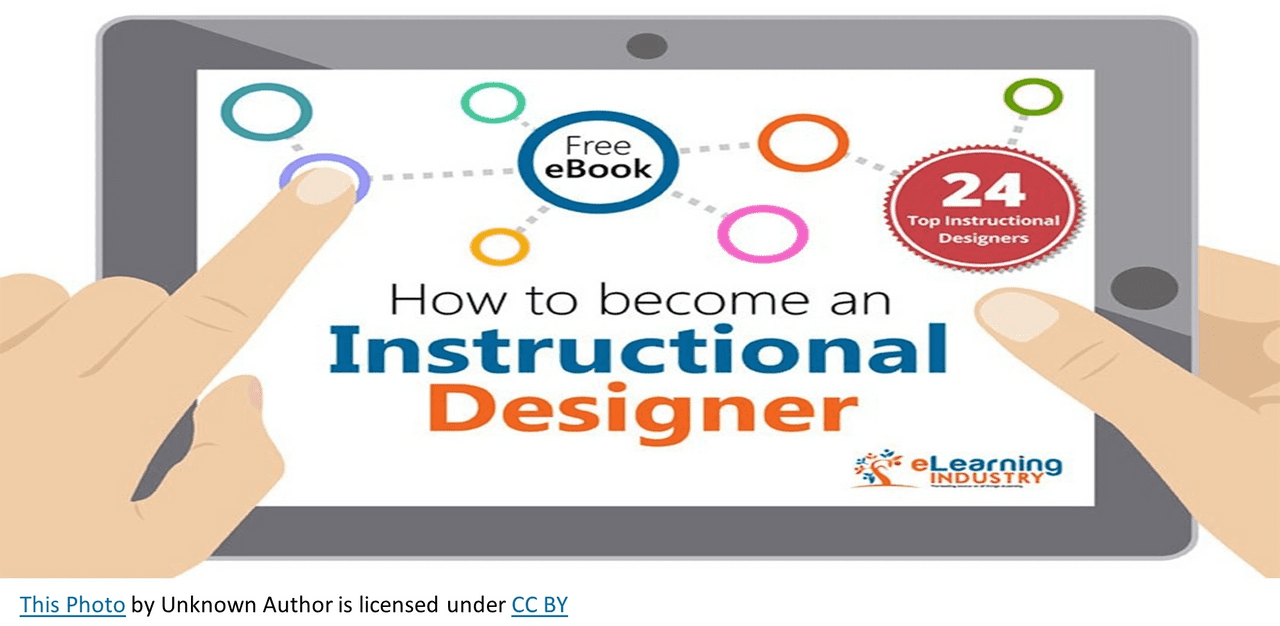
The educational backgrounds and professional goals of instructional designers are diverse (Rieber, 1998). Among these disciplines are instructional designers, instructional technologists, human performance technologists, educational technologists, trainers, trainer specialists, human resource development specialists, professors, instructors, and teachers (Dick, 2022, p. 10). As part of the job, the following skills are required:
- An understanding of the learning models in depth
- Strong knowledge of learning technologies, including learning management systems (mobile and cloud-based), SharePoint, and Captivate
- Project management skills
- Ability to express themselves visually and artistically
- Instruments for assessing performance
- Understanding the fundamentals of virtual reality
- The desire to learn
- Taking the initiative to grow (Taylor, 2017)
- Having communication skills, research abilities, and flexibility (Oakes, 2017).
It is not unusual for instructional designers to hold master’s degrees due to the high level of responsibility and requirements they are expected to fulfill. Advanced education ensures that instructional designers are adequately prepared to meet the rigorous demands of the field and craft lessons and curriculums that are comprehensive and meet specified outcomes.
Digital technologies are essential tools that are used to extend and enhance education by increasing student motivation, interest, study skills, and student achievement. Digital technologies can also be applied to develop and improve teaching and learning. In practice, educators are not always aware of how to integrate technology into teaching, and it is often used to support old-fashioned techniques.
As more companies focus on educational technology tools for adult learners, these tools need to keep the mantra of learning happens. Adults have adult responsibilities. Even with the most sincere intentions, it can be a challenge to maintain a consistent pattern of learning. A learning catalyst is an educator creating learning experiences that act as a stimulant, motivator, and incentive for learning. As a learning catalyst, teachers use technology to attend to each student’s personalization and enhanced learning outcomes.
- Engaging learners by turning learning into a competition and crafting software packages that mirror what learners want, not what companies think they want.
- Building a community among adult learners through education technology tools helps them feel a part of something meaningful. It also helps them stay
motivated and find people to share their successes, struggles, and challenges to find solutions ( Sattar, 2020).
Check with your local and online educational institutions to see what they have to offer.

Reviews

Dr. Borel is very helpful with getting you on track with your educational needs, and her willingness to assist is truly recognizable through the counseling session with her. Thank you!
10/10 if you need educational consulting. Patient, informative, and always very willing to help.
She was so helpful and accommodating! Highly recommend!